Can You Release a Medaka into the Wild?

Can You Release a Medaka into the Wild?

No. Never release a medaka into a pond, ditch, lake or river, and never release its eggs or the water from its tank either. This is not a matter of sentiment. The medaka is a non-native species that survives our winters, French law prohibits introducing it into the natural environment, and the history of the … Read more

Breeding medaka: spawning, eggs and incubation

Breeding medaka: spawning, eggs and incubation

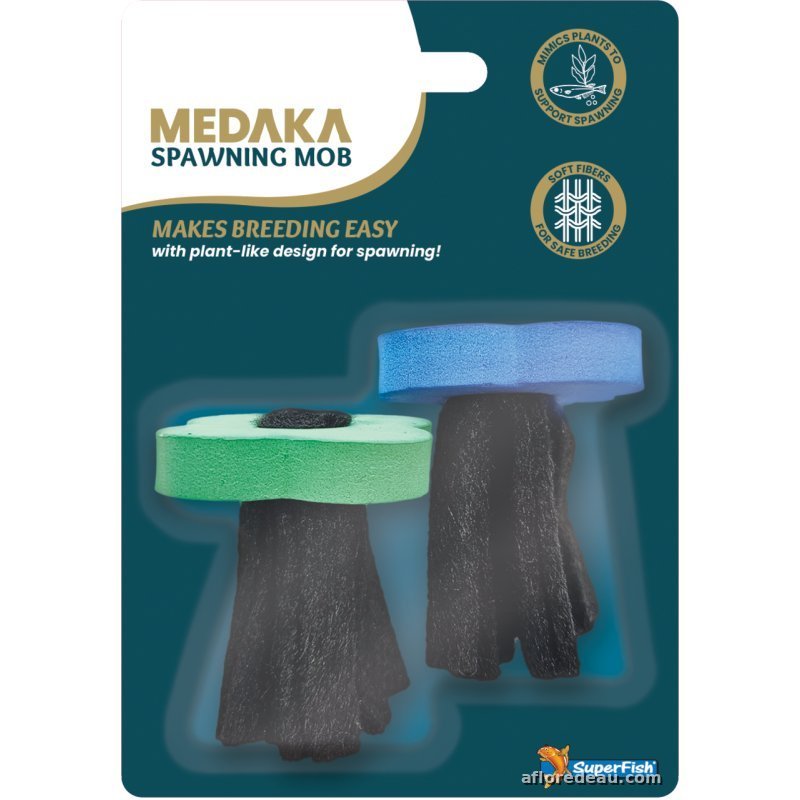
Medaka spawn almost every day once the water exceeds 18 to 20 °C and the day lasts 13 to 14 hours. The female attaches her eggs to a plant or a spawning mop, and they need to be removed, because the parents eat eggs and fry. Then allow 250 degree-days of incubation, that is 10 … Read more

Sexing medaka and choosing breeding stock

Sexing medaka and choosing breeding stock

A male medaka is recognised by its parallelogram-shaped anal fin with a serrated edge and its larger dorsal fin; the female has rounded fins and a rounder belly. Sexing is reliable on adult fish, from about 2.5 to 3 cm. To choose breeding stock, look first at the line of the back, the symmetry and … Read more

Treating a sick medaka without medication: what works and what does not

Treating a sick medaka without medication: what works and what does not

Under EU veterinary rules, a private keeper cannot buy antibiotics or antiparasitic treatments for fish without a prescription. This is not a handicap for the medaka: clean water, quarantine, salt, temperature and fasting settle most problems caught early. What remains, serious infections and established parasites, is a job for a vet. Why treating without medication … Read more

Medaka predators in Europe: protecting an outdoor tub

Medaka predators in Europe: protecting an outdoor tub

The first predator of a medaka tub in Europe is neither the heron nor the cat. It is the dragonfly larva, which lives in the water and eats several fish a day. A fine-mesh net held 5 cm above the surface stops dragonflies laying eggs and also keeps out birds, cats, frogs and grass snakes. … Read more